Menstruation is a natural monthly process experienced by women and girls during their reproductive years. Health professionals explain that periods typically begin during adolescence and continue until menopause, which usually occurs later in adulthood. During menstruation, the body sheds the lining of the uterus through vaginal bleeding.
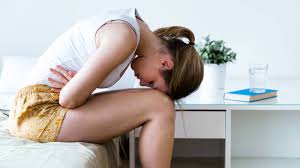
Many women experience symptoms such as abdominal cramps, lower back pain, headaches, bloating, breast tenderness, mood changes, tiredness, and food cravings during their periods.
Medical experts say the intensity of these symptoms varies from person to person..READ FULL STORY; FROM THE SOURCE.
Doctors and women’s health specialists often encourage proper self-care and hygiene during menstruation to reduce discomfort and maintain overall reproductive health.
One recommendation frequently given by health experts is avoiding smoking during menstruation. Research suggests smoking may worsen menstrual cramps and negatively affect blood circulation and hormone balance. Women who smoke heavily are sometimes reported to experience more severe period pain compared to non-smokers.
Maintaining proper menstrual hygiene is also considered very important. Health professionals advise changing sanitary pads, tampons, or menstrual products regularly to reduce the risk of irritation, unpleasant odors, infections, and skin rashes. Many experts recommend changing pads every few hours depending on flow and personal comfort.
Excessive alcohol consumption during periods is another issue some health experts caution against. Alcohol may contribute to dehydration, worsen mood swings, increase fatigue, and potentially affect hormone balance. Some women also report that alcohol can intensify bloating and menstrual discomfort.
Healthcare professionals further encourage women to stay hydrated, eat balanced meals, rest adequately, and engage in light physical activity if comfortable during menstruation. Warm baths, heating pads, and gentle exercise are also commonly recommended to help relieve cramps.
Doctors advise women to seek medical attention if they experience unusually severe pain, extremely heavy bleeding, irregular cycles, or symptoms that interfere significantly with daily life, as these may sometimes indicate underlying medical conditions.
Experts continue to stress that menstruation is a normal part of reproductive health and should be approached with proper care, hygiene, and awareness rather than shame or misinformation.