Seyi Tinubu Intervenes After Cubana Chief Priest Drops Shocking ‘Igbo Exclusion’ Bombshell(Video)

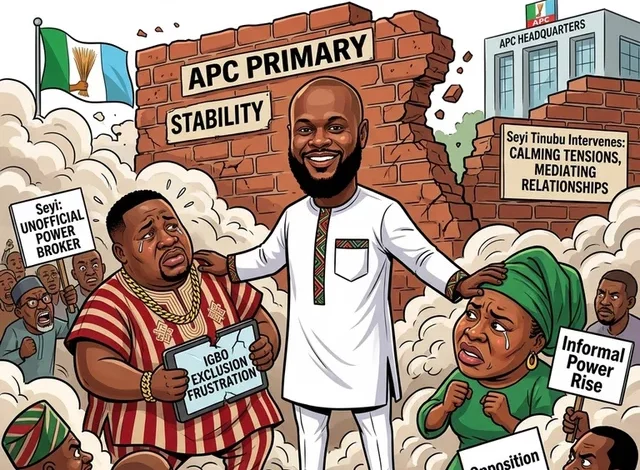
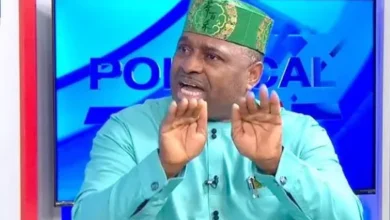
Nigeria’s political and entertainment spaces collided dramatically following the recent APC House of Representatives primary elections after celebrity nightlife promoterCubana Chief Priestsuffered a high-profile political defeat that quickly spiraled into a national conversation about ethnicity, trust and political inclusion, warranting a response, which Seyi Tinubu gave.
What could have remained an ordinary primary election loss suddenly exploded online after the socialite publicly suggested that President Bola Ahmed Tinubu and sections of the ruling All Progressives Congress may not fully trust him “as an Igbo man.”.. READ MORE DETAILS
That single remark instantly transformed a local political disappointment into a broader ethnic and political controversy, triggering fierce reactions across social media and political circles...READ FULL STORY; FROM THE SOURCE.
But the drama intensified further when Seyi Tinubu publicly stepped into the conversation.
Following his defeat, Cubana Chief Priest’s emotional statement touched a sensitive nerve in Nigeria’s already fragile ethnic political landscape. Many supporters interpreted his comment as an expression of frustration over perceived political exclusion within the APC, especially for influential figures from the South-East attempting to navigate the party’s internal structure.
Almost immediately, online debates exploded.
Some Nigerians sympathized with the socialite, arguing that his statement reflected long-standing concerns among certain Igbo political stakeholders who feel underrepresented or insufficiently trusted within national power arrangements.
Others strongly disagreed, insisting that political defeats are normal democratic outcomes and should not automatically be framed through an ethnic lens.
Still, the controversy kept growing.
As tensions escalated online, Seyi Tinubu entered the discussion with what appeared to be a calm and carefully measured public message encouraging Cubana Chief Priest not to lose hope or become discouraged by the setback.
The intervention immediately drew national attention.
To supporters, the message looked like a mature attempt to reduce tension, preserve political relationships and prevent emotional reactions from escalating into deeper ethnic divisions.
Critics, however, saw something very different.
Opposition voices and political critics quickly accused Seyi Tinubu of behaving like an unofficial power broker within the APC. According to them, his intervention reflected a growing pattern where he appears increasingly involved in sensitive political conversations despite holding no formal government office.
Critics argued that the public encouragement message was more than casual social media banter. They believe it represented an attempt to quietly stabilize internal party relationships after Cubana Chief Priest’s comments threatened to fuel ethnic tensions within APC support circles.
Some opponents even described the move as political damage control disguised as friendship.
To them, Seyi Tinubu’s growing visibility in political mediation raises questions about the expanding informal influence surrounding the First Family ahead of the 2027 political cycle.
Beyond the social media drama, the controversy reopened a deeper national conversation about ethnicity and political trust in Nigeria.
Cubana Chief Priest’s statement resonated because it touched on an old and emotionally charged issue: whether ethnic identity still shapes political acceptance and access within major parties.
Supporters of the APC rejected the idea that his defeat had anything to do with being Igbo. They argued that internal primaries are highly competitive and often influenced by local political structures, alliances and grassroots calculations rather than ethnicity alone.
Still, critics insist that perception matters in politics. Once the idea of “ethnic exclusion” enters public discourse, it quickly gains emotional traction regardless of official explanations.
While critics attacked Seyi Tinubu’s involvement, many supporters praised his response as a rare display of emotional intelligence and political maturity.
According to supporters, Seyi could have ignored the controversy completely, especially given the ethnic sensitivity surrounding the issue. Instead, they argue, he chose to calm tensions publicly and encourage unity rather than deepen division.
Some supporters described the move as evidence that younger political actors can engage sensitive national issues with diplomacy instead of hostility. Others argued that his willingness to publicly reassure Cubana Chief Priest reflected inclusive leadership rather than political manipulation.
To them, critics are unfairly politicizing what was essentially a gesture of encouragement toward a disappointed ally.
The incident has once again intensified conversations about Seyi Tinubu’s growing influence within political and social circles connected to the ruling party.
From youth mobilization campaigns to high-profile political engagements, his visibility continues to expand rapidly. Supporters view this as a natural political evolution around a highly connected young figure. Critics see it as the rise of an unofficial political structure operating around proximity to presidential power.
That divide explains why even a simple encouragement message now attracts national scrutiny.
What began as a reaction to a primary election defeat has now evolved into a broader conversation about ethnicity, political influence, party loyalty and informal power within the APC.
Cubana Chief Priest’s remarks exposed lingering tensions around representation and trust. Seyi Tinubu’s intervention exposed growing public sensitivity around his political role.
Both developments reveal how quickly personal political moments can transform into national controversies in Nigeria’s highly charged political environment.
Supporters insist Seyi Tinubu acted responsibly by calming tensions after an emotionally charged statement threatened to inflame ethnic narratives.
Critics insist the intervention reflected the growing reach of an unofficial political power center operating around the First Family.
But beneath both arguments lies a deeper reality: Nigeria’s politics remains deeply emotional, deeply personal and heavily shaped by perception.
And in today’s political climate, even a short message of encouragement can become a national political event.