How To Get Rid Of A Dark Brown Stain On Your Teeth With These Simple Trick
Comment

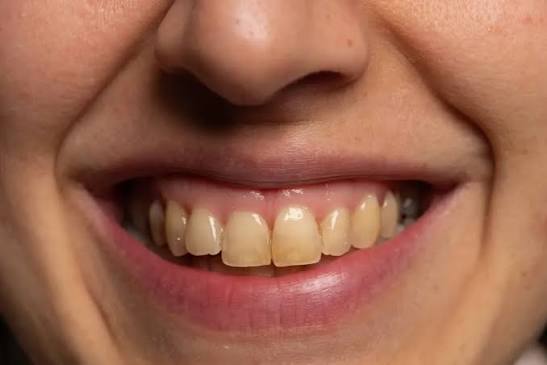
A bright, healthy smile can improve your confidence, but dark brown stains on the teeth can sometimes make people uncomfortable about smiling or laughing freely.
Brown discoloration can develop for several reasons. Common causes include drinking coffee or tea, smoking or other tobacco use, plaque and tartar buildup, certain medications, and tooth decay. Because the treatment depends on the cause, understanding why the stain developed is an important first step.
Fortunately, some surface stains can be reduced at home, while others may require professional dental treatment.
1. Brush Your Teeth Properly
One of the simplest ways to prevent and reduce surface staining is to maintain good oral hygiene.
Brush your teeth twice daily for about two minutes using fluoride toothpaste and a soft-bristled toothbrush. Make sure you clean the front, back, and chewing surfaces of your teeth.
Brushing too aggressively isn’t better. Excessive pressure can irritate your gums and gradually wear down tooth enamel.
2. Try a Whitening Toothpaste
Whitening toothpaste may help remove some stains caused by foods, coffee, tea, and tobacco.
These products generally work by polishing away surface stains rather than changing the natural color deep inside the tooth.
Follow the instructions on the product and discontinue use if you experience significant sensitivity or irritation.
3. Be Careful With Baking Soda
Baking soda is found in some commercially available toothpastes and can help remove certain surface stains.
However, homemade mixtures should be approached carefully. Aggressive or frequent scrubbing can contribute to tooth sensitivity or damage, particularly when abrasive ingredients are combined with acidic substances.
Using a properly formulated toothpaste containing baking soda is generally a more sensible option than experimenting with concentrated homemade mixtures.
4. Don’t Use Lemon Juice to Whiten Your Teeth
A popular internet remedy recommends mixing lemon juice, baking soda, salt, and toothpaste to create a homemade whitening paste.
Despite its popularity, this is not a good method for whitening teeth.
Lemon and lime juice are highly acidic. Repeatedly exposing your teeth to acid can weaken and erode enamel. Once enamel has been lost, your body cannot simply grow it back, and the underlying yellowish dentin can become more visible.
Adding abrasive ingredients and scrubbing the mixture into your teeth may increase the risk of damage.
What If the Brown Stain Doesn’t Disappear?
Not every brown mark can be brushed or whitened away.
A brown or dark spot—particularly one that appears on a single tooth—could sometimes indicate tooth decay rather than ordinary staining. Hardened tartar can also appear yellow, brown, or even darker and generally cannot be safely removed with normal brushing.
A dentist can determine whether the discoloration is caused by an external stain, tartar, tooth decay, enamel changes, or another problem.
Depending on the cause, professional cleaning, whitening, fillings, or another dental treatment may be recommended.
Final Thoughts
If you have brown stains on your teeth, don’t immediately reach for harsh homemade mixtures containing lemon, salt, or other acidic ingredients.
Regular brushing with fluoride toothpaste, flossing, limiting tobacco and strongly staining foods or drinks, and getting regular dental checkups are safer ways to protect your smile.
If a brown spot persists despite good oral hygiene, becomes painful, or is accompanied by sensitivity, a hole in the tooth, swollen gums, or persistent bad breath, schedule a dental examination. The discoloration could be a sign of a problem that whitening alone cannot fix.
Do you find Bisloaded useful? Click here to give us five stars rating!