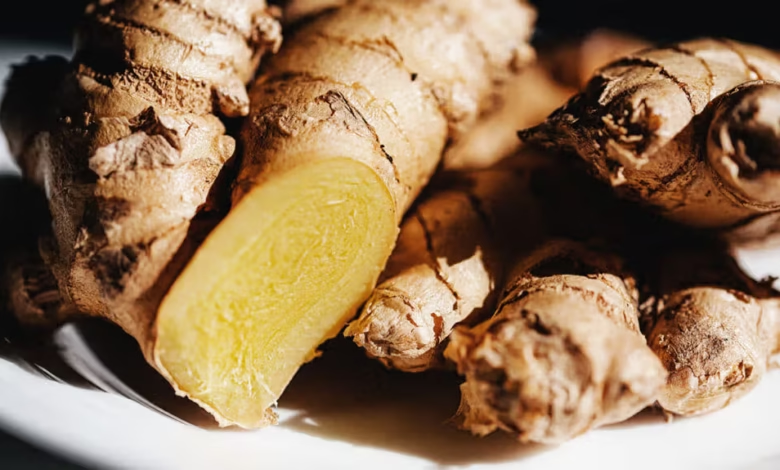
Ginger is commonly used in cooking and traditional remedies, and it is generally safe when taken in moderate amounts. However, consuming large quantities or using concentrated supplements may lead to certain side effects, especially for people with specific health conditions.
Here are three possible risks to keep in mind:
1. Higher Risk of Bleeding..READ FULL STORY; FROM THE SOURCE.
Ginger has natural blood-thinning properties. When taken in large amounts, it may increase the risk of bleeding. This is particularly important for individuals who:
Use blood-thinning medications such as warfarin or aspirin
Have bleeding disorders
Are preparing for surgery
If you fall into any of these categories, it is advisable to consult a healthcare professional before taking ginger supplements.
2. Digestive Discomfort and Heartburn
Although ginger is often used to relieve nausea, excessive intake may lead to digestive issues such as:
Heartburn
Diarrhea
Stomach irritation
Mild mouth discomfort
These effects are more commonly linked to high-dose supplements rather than the small amounts used in everyday cooking.
3. Effects on Blood Sugar and Blood Pressure
Ginger may help lower blood sugar and blood pressure levels. While this can be beneficial for some people, it may pose risks for those who:
Take medication for diabetes
Use blood pressure medication
Are prone to low blood sugar levels
Combining ginger supplements with certain medications could cause these levels to drop too much.
Ginger used in normal food portions or in tea is generally safe for most healthy individuals. Side effects are more likely when it is consumed in excessive amounts or in supplement form. It is best to speak with a healthcare professional before increasing your intake if you are pregnant, taking medication, or managing a chronic condition.