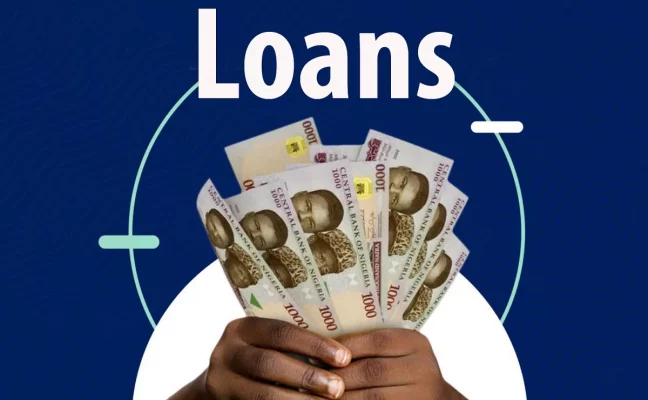
Kano, Nigeria — The Kano State Government has clarified that private loan companies are responsible for the alleged ₦1.5 billion deductions from workers’ salaries, following concerns raised by labour unions over irregular payroll deductions affecting civil servants in the state.
The controversy emerged after the Kano State chapter of the Nigeria Labour Congress (NLC) alleged that billions of naira had been deducted from workers’ monthly salaries under unclear circumstances, sparking public concern and calls for accountability.
In response, Governor Abba Kabir Yusuf ordered an immediate investigation into the matter to determine the source and legitimacy of the deductions...READ FULL STORY; FROM THE SOURCE.
According to preliminary findings presented by the Secretary to the State Government, Umar Faruk Ibrahim, the deductions were linked to loan vendors operating salary-based loan schemes for civil servants.
He explained that the companies involved allegedly deducted amounts beyond the agreed repayment terms, resulting in an accumulated discrepancy estimated at ₦1.5 billion.
The government stressed that no state official or government payroll staff was implicated in the alleged financial irregularities.
The Kano State Government maintained that the issue stemmed from third-party financial agreements between workers and loan providers, not from internal payroll fraud or diversion of public funds.
Officials further disclosed that a committee has been set up to audit the transactions and verify the total amount affected, with a directive that any excess deductions must be refunded to affected workers.
The government also warned that any loan company found to have engaged in unlawful or excessive deductions would face sanctions in line with existing financial regulations.
The Nigeria Labour Congress in Kano had earlier expressed concern over what it described as unauthorised and excessive deductions from workers’ salaries, urging the government to ensure transparency and protect civil servants from exploitation by financial service providers.
The issue has reignited broader discussions about salary loan systems in Nigeria’s public sector, particularly regarding transparency, consent, and regulation of third-party lenders operating through payroll systems.